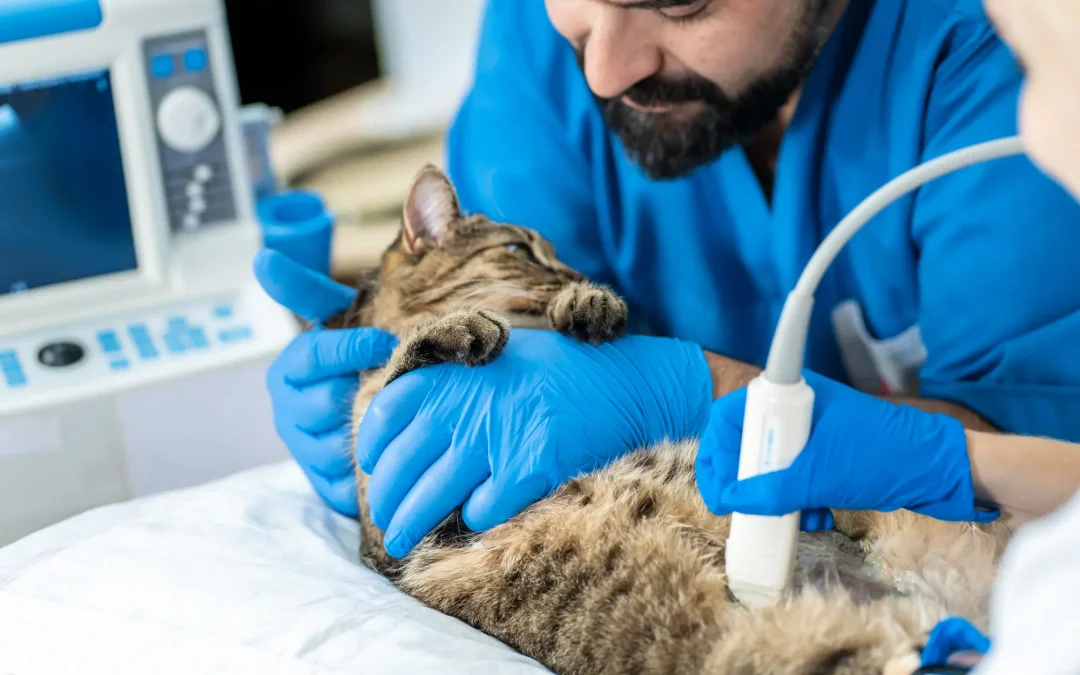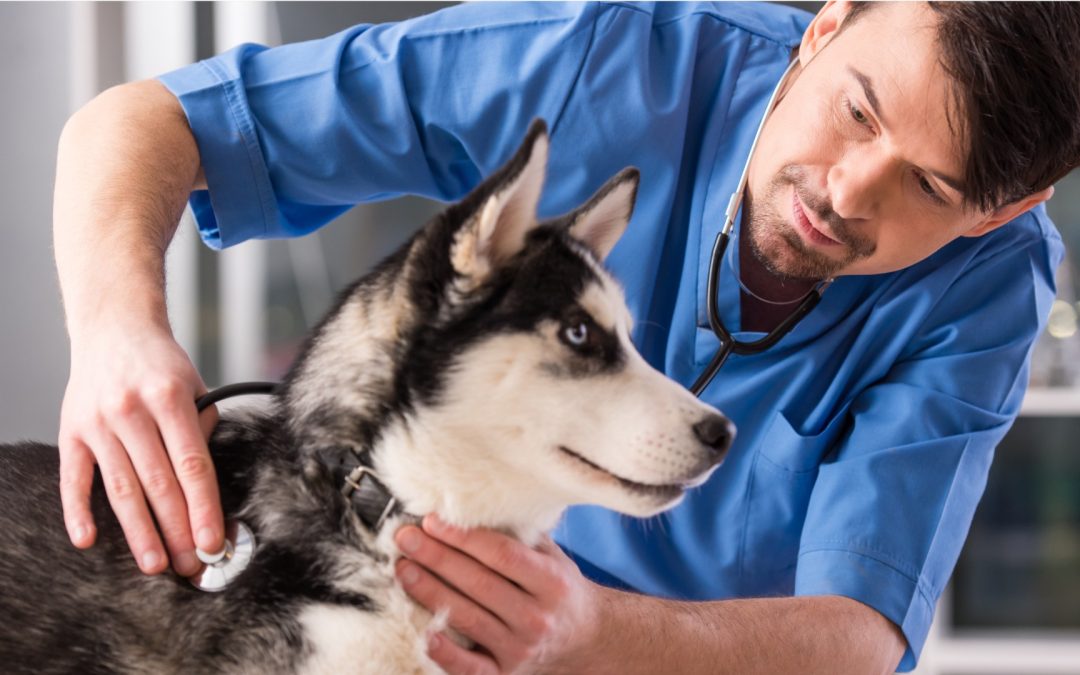
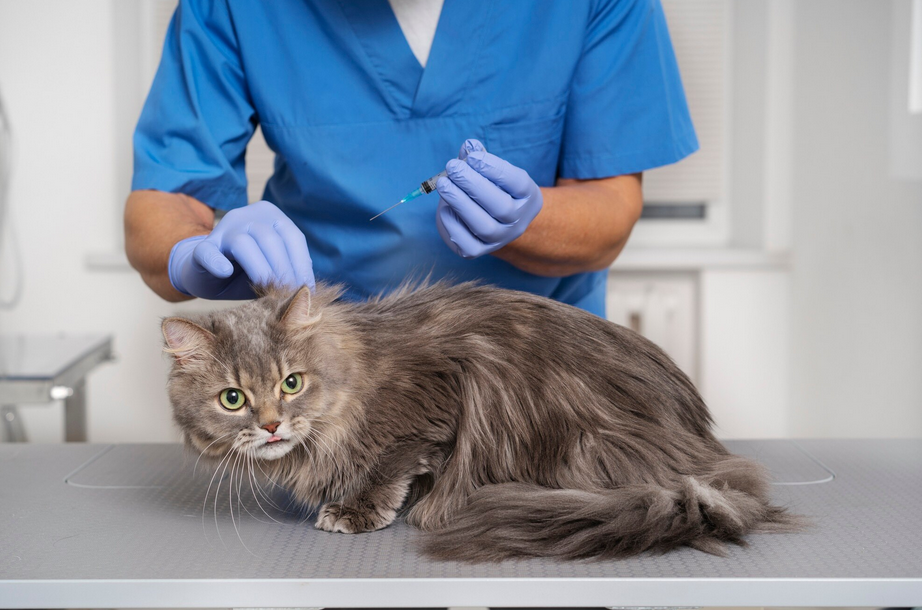
To effectively reduce stress in dogs and cats, it is worth ensuring a gentle approach to the animal, using professional positioners to stabilize the body, and avoiding rushing. This improves staff safety and makes examinations easier. A visit to the veterinarian is a stressful experience for many pets. Cats and dogs often feel highly uncertain in an unfamiliar environment, which may lead to concerning behavioral reactions, including fear-based aggression in dogs.
How to arrange a clinic to reduce stress in dogs and cats during a visit?
A pet-friendly veterinary clinic is created mainly by separating patients in the waiting room, eliminating strong smells, and making sure animals are not seated too close to one another. Clinic owners who pay attention to these details build the image of a safe place for every pet:
- Scheduling appointments for specific times – limiting the number of animals in the waiting room helps reduce stress in dogs and cats by minimizing noise and unfamiliar smells.
- Pheromone diffusers – releasing synthetic pheromones can help calm dogs and cats right from the moment they enter the clinic.
- High shelves for cats – placing carriers above dogs’ eye level helps reduce stress in cats by giving them a sense of safety and allowing them to observe the surroundings from above.
How to prepare dogs and cats for examination?
Preparing dogs and cats for a visit often requires owners to get their pets used to having their paws touched, ears checked, or mouth opened. This allows the veterinarian to perform the examination more quickly, while dogs and cats are less likely to panic at every touch.
- No sudden movements – staff should avoid approaching a dog directly from the front. Giving the animal a moment to sniff the consulting room freely can help the examination proceed with less resistance.
- Blankets and treats – a familiar home scent and tasty treats given during the visit can effectively help reduce stress in dogs and build positive associations with the clinic.
Aggressive dog at the vet – how to handle the situation safely?
An aggressive dog at the vet requires methods that eliminate the need for forceful restraint and keep direct contact as short as possible. In such situations, it is important to use a comfortable muzzle and avoid leaning over the dog. To manage the situation, special weights or stabilizers can be used to keep the dog in place instead of involving the technician’s hands. If the dog struggles and poses a risk, the safest option is to administer calming medication before entering the consulting room.
What equipment helps reduce stress in dogs and cats?
Using professional positioners and mattresses allows dogs and cats to be positioned securely without force, which speeds up the examination and improves the quality of X-ray or ultrasound imaging. A calm animal means a more precise diagnosis. It is worth equipping the clinic with professional veterinary accessories:
- Stability on the table – a metal tabletop can increase fear. A veterinary positioner gives the animal soft support and prevents paws from slipping, helping reduce stress in dogs.
- Cardiology mattresses – a mattress for cardio exam allows a dog or cat to be positioned on its side naturally, making access to the chest easier.
- X-ray accessories – ideal positioning can be achieved with a set of three positioners.
Equipment that makes work easier and calms animals
| Tool | Benefit | Application |
| Anti-slip mattresses | The dog stands securely and does not panic | Treatment tables |
| Stabilizers / weights | Keep paws in a stable position | Radiology and CT |
| Pheromone sprays | Help reduce stress in cats | Carriers, tables |
Why does calm staff mean a calm dog and cat?
Dogs and cats immediately sense tension and nervousness in people, which is why calm movements and a quiet voice from the staff are among the most effective ways to soothe a pet.
Reading body language – noticing signs such as nose licking or muscle stiffness makes it possible to pause the procedure before the dog reacts with aggression.
Calming the owner – when the caregiver sees that the team has the situation under control, their own anxiety decreases, which automatically helps reduce stress in the dog.
How to perform diagnostic imaging safely?
During X-ray and CT examinations, it is important to use aids that limit the need for staff to remain in close proximity to the radiation beam.
Instead of holding the dog by force, use weights. A large stabilizer 2,5kg or a long stabilizer L 5kg will keep the patient in the correct position for the examination. This allows the veterinarian to work in comfortable conditions, while a precisely performed examination enables a faster and more accurate diagnosis.