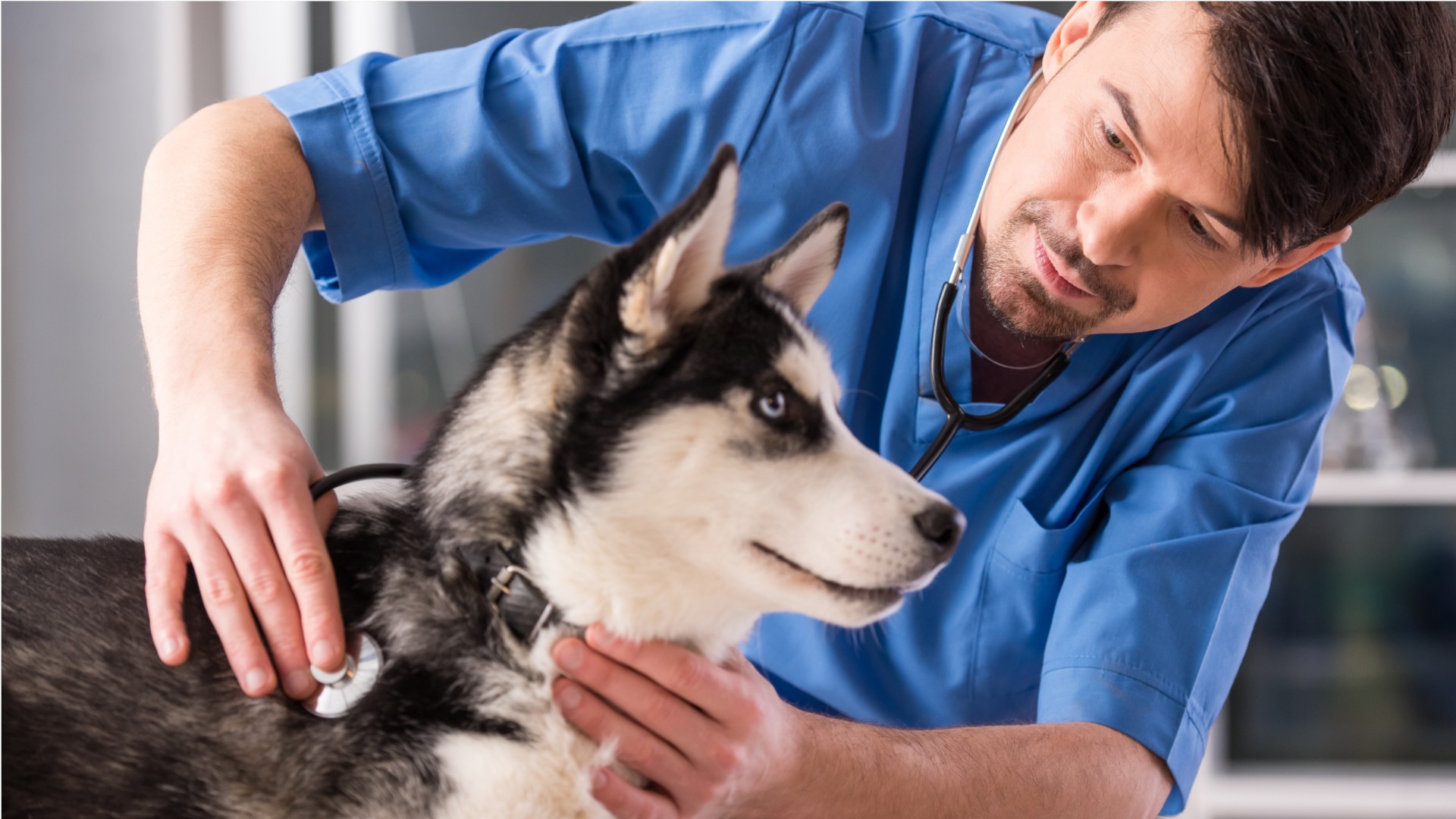
Taking your pet to the veterinary clinic can be stressful for most owners. When your veterinarian recommends an ultrasound examination, you naturally want the procedure to go as smoothly and efficiently as possible. Proper preparation at home plays a crucial role in ensuring the veterinarian can obtain clear, diagnostic-quality images.
Why Is Proper Preparation for an Ultrasound So Important?
The primary goal is to eliminate intestinal gas and food from the abdomen. Ultrasound machines use sound waves that travel easily through muscles and fluids but are completely reflected by gas and food.
If your pet eats a large meal before the appointment, the veterinarian may see mostly gas-filled areas on the screen, obscuring organs such as the liver, spleen, or pancreas. Proper preparation also shortens the examination itself—the faster the veterinarian can assess the organs, the less time your pet needs to remain on the examination table.
How to Prepare Your Pet for an Ultrasound Examination
Fasting Before the Examination
Most adult dogs and cats should fast for 8–12 hours before an ultrasound. A full stomach can compress nearby organs, making it difficult or impossible to evaluate structures such as the pancreas or adrenal glands.
- Puppies, kittens, and pets weighing less than 5 kg (11 lbs) should fast for only 4–6 hours to reduce the risk of hypoglycaemia.
- Small mammals (such as rabbits, guinea pigs, and ferrets) have a different metabolism and should never be fasted.
| Patient Group | Recommended Fasting Time | Purpose |
| Adult dogs and cats | 8–12 hours | Empty stomach and intestines |
| Puppies, kittens, dogs/cats under 5 kg | 4–6 hours | Prevent hypoglycaemia |
| Small mammals (rabbits, rodents) | No fasting | Maintain normal digestive function |
Water and a Full Bladder
Your pet may drink water freely until 2 hours before the examination.
It is also very important that the urinary bladder is full.
- Do not take your dog on a long walk during the two hours before the appointment, and avoid allowing them to urinate immediately before entering the clinic.
- For cats, remove the litter box approximately 3 hours before leaving home.
A full bladder acts like a clear window, allowing the veterinarian to examine its interior for stones, sediment, or other abnormalities. It also helps displace the intestines, making it easier to evaluate the uterus in females or the prostate in males.
What If Your Pet Is Prone to Gas?
Intestinal gas can completely obscure ultrasound images. If your dog or cat tends to experience bloating—particularly brachycephalic breeds such as Pugs or French Bulldogs—your veterinarian may recommend simethicone.
Treatment is typically started 24 hours before the examination, with the daily dose divided into several administrations (for example, the evening before, the morning of the appointment, and two hours before arriving at the clinic). Always consult your veterinarian regarding the appropriate dosage.
Why Is the Abdomen Shaved and Ultrasound Gel Applied?
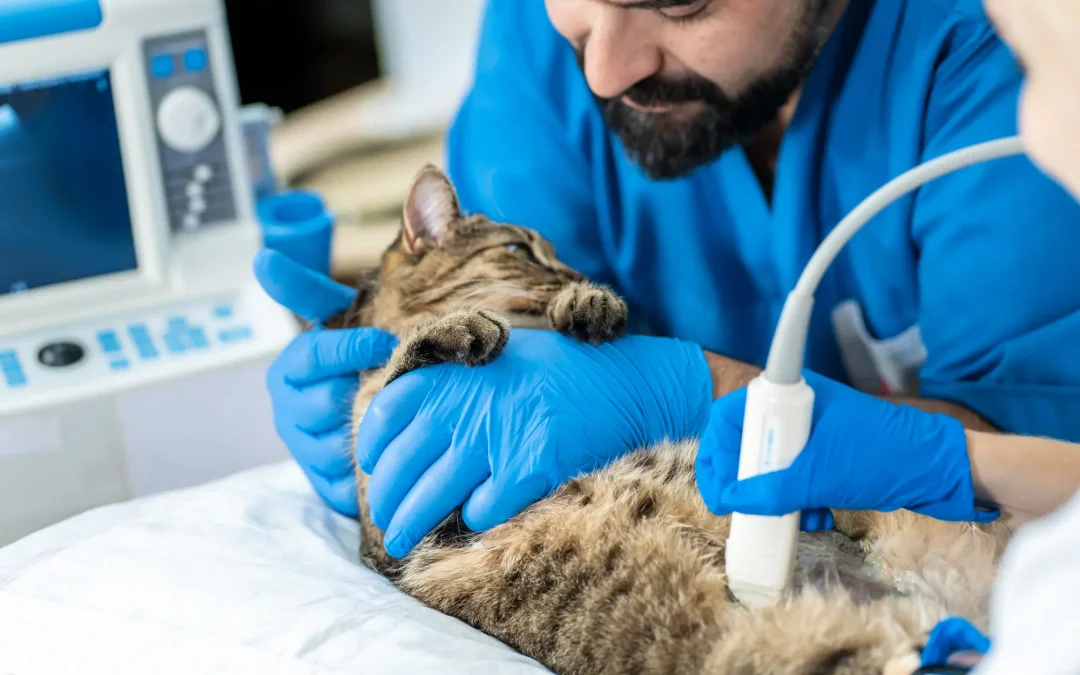
Fur traps tiny air pockets that interfere with ultrasound waves. For this reason, the veterinary team will shave the area being examined and apply ultrasound gel.
The gel eliminates air between the probe and the skin, ensuring proper contact and allowing the transducer to glide smoothly across the body.
VetSupreme Accessories That Improve Diagnostic Imaging
Accurate ultrasound imaging requires proper patient positioning. Professional veterinary positioning aids help stabilise the animal while reducing stress, making the examination easier and more efficient.
In everyday clinical practice, veterinary mattresses provide excellent support by conforming to the animal’s body while lying on its side or back. To minimise the need for manual restraint, dedicated veterinary positioners are also widely used.
VetSupreme offers a comprehensive range of positioning solutions, including:
- Classic stabilising cushions for both small and large animals, such as the small veterinary stabilizer (1,5kg) and large veterinary stabilizer (2,5kg).
- Longer positioning supports stabilising the entire torso, including the long veterinary stabilizer S and long veterinary stabilizer L.
- Ready-to-use positioning kits for different patient sizes, such as the set of 3 aids (M) , the set of 3 small aids, and the set of 3 large aids for larger breeds.
For radiography and CT imaging, specialised X-ray & CT accessories for veterinarians are also essential. These include veterinary hip joint distractor for canine hip dysplasia assessment and radiographic reference ball (25mm), which facilitate accurate image scaling before orthopaedic procedures.
Professional grooming accessories can also be helpful before clipping the examination area and during post-procedure coat care. For example, a grooming table net (DogChair Catcher) helps keep loose fur under control.
Together, these tools make diagnostic imaging faster, safer, and less stressful for both patients and veterinary professionals.
The Most Common Mistakes Owners Make Before an Ultrasound
One of the most frequent mistakes is giving the pet a small treat or taking them for
a walk immediately before the appointment.
Even a single biscuit triggers digestion, causes the gallbladder to contract, and stimulates gastric secretions, all of which can affect the ultrasound findings.
Another challenge involves highly anxious or aggressive patients. After consulting the veterinarian, mild sedatives may be prescribed before the visit. However, pets receiving sedatives must remain completely fasted for a full 12 hours, as vomiting poses an increased risk.
How to Make Ultrasound Preparation as Stress-Free as Possible
Following these preparation guidelines and your veterinarian’s specific instructions ensures the highest possible diagnostic value from the ultrasound examination.
If your pet is scheduled for an ultrasound, discuss the preparation plan with your veterinary team in advance. Proper preparation enables a faster, more accurate assessment of your pet’s health and allows appropriate treatment to begin without unnecessary delay.
FAQ – Frequently Asked Questions
Does my dog need to be shaved for an ultrasound?
Yes. Fur traps tiny air bubbles that block ultrasound waves. Without shaving the examination area, the images on the monitor may be blurred and difficult to interpret.
What if my pet has diabetes and needs to fast?
For diabetic patients and pets with other chronic medical conditions, the fasting period and the timing of medications or insulin should always be determined individually by your veterinarian.
Do puppies and kittens also need to fast for 12 hours?
No. A prolonged fast can cause dangerous hypoglycaemia in young animals. Puppies and kittens should fast for no longer than 4–6 hours before the examination.